Call Us Now!
203-775-7900

Share this Post
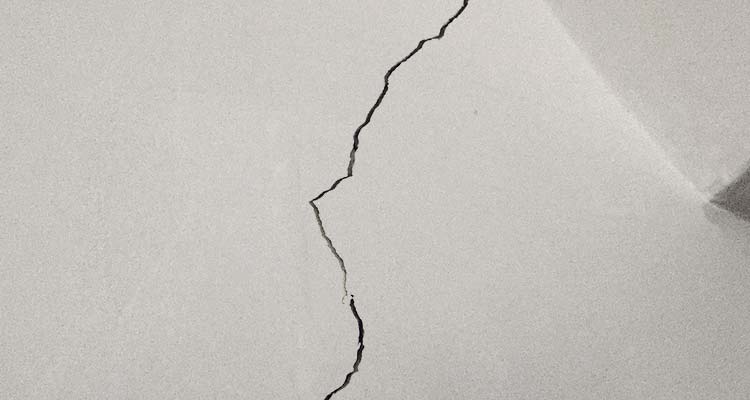
Sheetrock wall cracks look ugly. Some of them run the entire length of a wall. Those wall cracks usually appear in areas of least resistance, for instance, near windows or doorways. It is an unfortunate reality a homeowner must face from time to time. Usually, a victim will have to make a quick trip to the hardware store to get some spackle to patch all the cracks, then a year later, the wall cracks return. It seems unfair.
The answer lies in the stability of the home’s foundation. We will try to avoid engineering technobabble to give you a clear idea of what is going on. It all comes down to the construction quality of the foundation.
The soil underneath and around your house is as essential as the house itself. In the beginning, a construction crew managed to dig out a big hole called the “clay bowl” to fit in the entire foundation of your house.
In most homes, the footing and basement walls (made of stone or concrete) are inside this “clay bowl” and sit atop dense, undisturbed soil. A slab (one-piece concrete floor) sits on top of the footing.
The space surrounding the outside basement walls allows crews to apply a waterproofing barrier on the outside walls before filling the area with the backfill soil. Here is where it gets interesting. Backfill soil is the same soil removed to make the “clay bowl,” except it is now broken down into loose soil. That loose soil no longer has the density of natural soil that was there for millions of years.
The backfill soil is compressed as firmly as possible, but it will never come close to the untouched soil’s density beneath the footing. Backfill is also used to fill the space beneath the slab flooring. Now, we know the two most vulnerable areas of a house: the soil surrounding the basement’s outside walls and the soil beneath the slab floor.
Over time, a house will settle into the “clay bowl.” It could be subtle over decades or more noticeable because of the soil characteristics in your area. Weather can be a factor, or perhaps the deterioration of poorly mixed concrete used to make your basement. There could be some other reasons as well.
One thing is for sure when the backfill area becomes saturated after a significant rainstorm, over and over again, the waterlogged soil expands and contracts when it dries. This expansion and contraction will affect your home with subtle movements. Your home becomes a 200-ton boat in a sea of soil 70% less dense than the surrounding soil.
Contact us at American Dry Basement Systems. Our inspectors are thorough, code-compliant, and licensed. They can help you assess the situation and help keep your foundation in good shape. Prevention will benefit you in the long run by maintaining the structural integrity of your home and your family’s safety.
Learn More! Get more information about safeguarding your basement from water seepage by reading our other post: HOW TO EFFECTIVELY CONTROL WET BASEMENT SEEPAGE?
Schedule a free, no-obligation inspection and quote at no cost.