How to Get Water Out of a Flooded Basement After a Storm
The short answer: After a storm, get standing water out of the basement safely first, then fix the path that let it in. A wet vac or portable pump handles the emergency. Repeat flooding in Connecticut and New York homes usually needs an interior drain and sump pump – not a fan and a towel. A free inspection confirms the source before anyone quotes a system.
Wall seepage without a flood: water leak in basement. Water rising through the slab: water coming up through the basement floor. Gutter and grading prevention: 6 ways to prevent basement flooding.
What to Do First When the Basement Floods
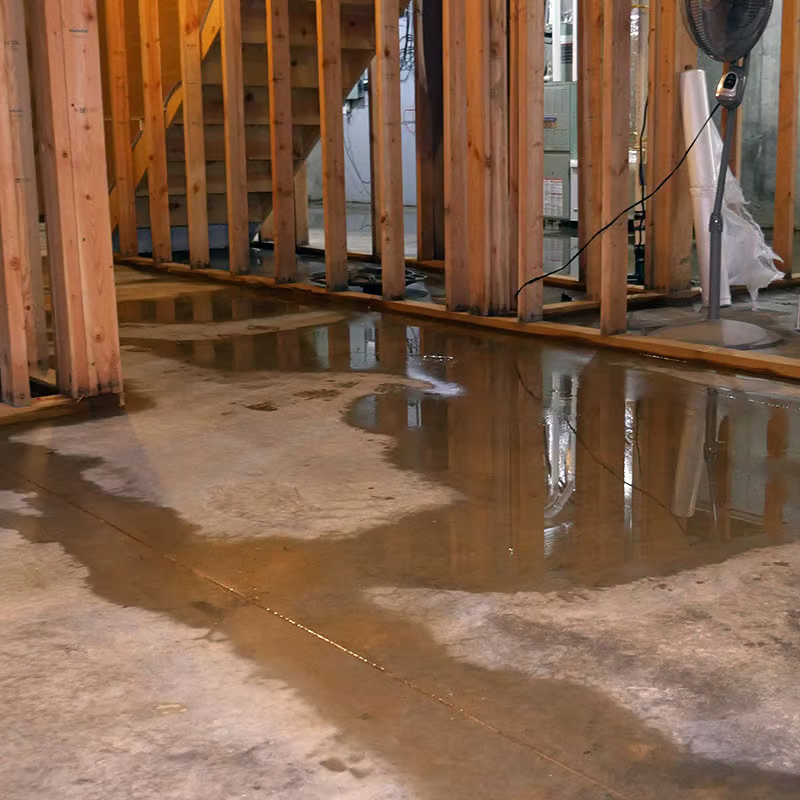
Homeowners searching for “get water out of basement” or “basement flooding after storms” are usually looking at standing water, not a damp stain. Work in this order:
- If water is near outlets, the panel, or appliances, stay out of the water and shut off power at the breaker only if you can do that from a dry location.
- Remove standing water with a wet vac, a portable utility pump, or a plumber’s pump. Discharge the hose well away from the foundation so the water does not run back in.
- Pull soaked carpet, boxes, and drywall that is sitting in water. Moisture left in finishes is what grows mold after the storm.
- Run a dehumidifier once the floor is no longer a pool. That dries the space. It does not stop the next storm.
DIY removal is the right first hour. It is not the lasting repair if the same corner floods every time it rains in Fairfield, Westchester, or the Hudson Valley.
Why Storms Fill CT and NY Basements
Hydrostatic pressure after a downpour
Saturated soil around the foundation pushes water through the wall-floor joint, cracks, and porous masonry. The flood often shows up during the storm or the next morning, then slowly recedes.
A sump that could not keep up
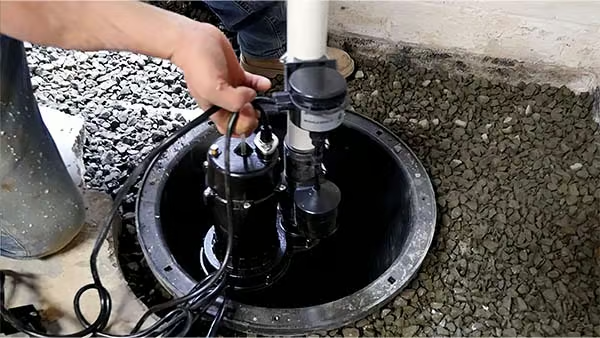
The pit fills faster than a weak, clogged, or unpowered pump can empty it. Power outages and storms arrive together, which is why a backup sump pump matters once you have a working pit.
Window wells and surface water
An uncovered or undrained window well can dump onto the basement floor. That is a different path than perimeter seepage. See window well drainage.
Missing interior drainage
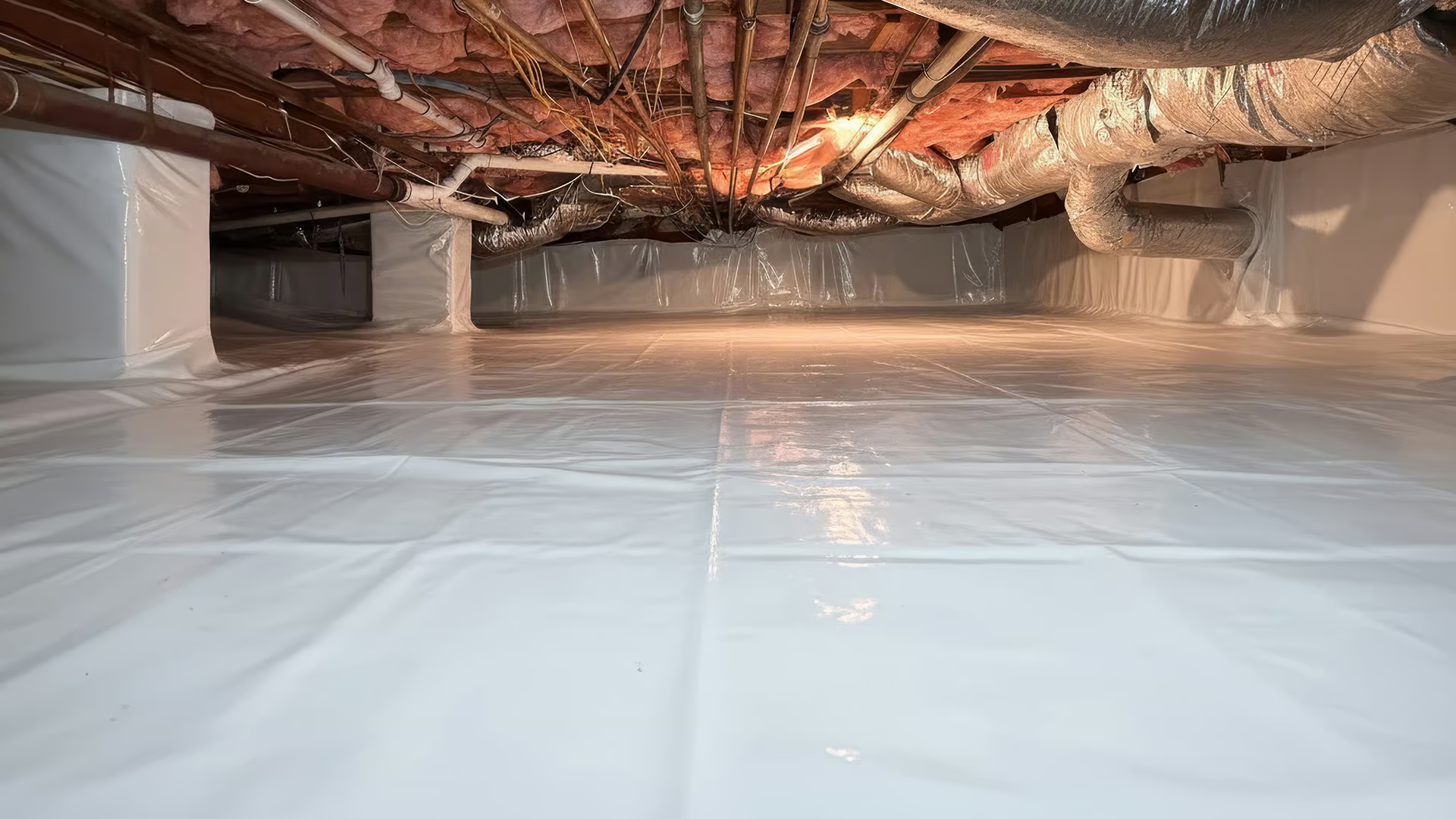
A pump alone cannot intercept water that never reaches the pit. Most repeat floods need a perimeter drain that feeds the sump. Details: basement waterproofing and French drain installation.
What Actually Stops the Next Flood
Fans, paint, and “waterproof” coatings do not remove groundwater pressure. After the emergency water is out, a professional fix for most CT and NY basements is:
- Confirm the entry path (joint, crack, window well, slab, or a mix)
- Install or repair interior drainage at the wall-floor joint
- Route collected water to a reliable sump with battery backup
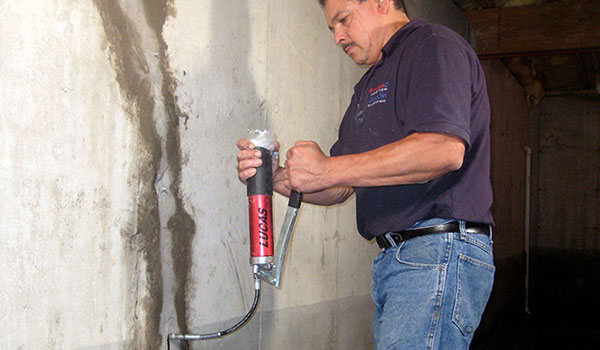
- Repair active crack paths when they are part of the leak
American Dry’s SuperDry system is built for Northeast water tables and freeze-thaw cycles. Cost ranges: basement waterproofing cost.
When to Call for a Free Inspection
Schedule an inspection when:
- Water returns after storms even after you pumped it out
- The sump ran (or should have) and the floor still flooded
- Belongings, finishes, or air quality were affected
- You are finishing the basement or preparing to sell
A free on-site inspection diagnoses the source before anyone quotes a system. Phone guesses without seeing the foundation and grading are unreliable.
Next step: Book a free basement inspection for CT and NY homeowners, or call 203-408-2407 (CT) / 914-219-6449 (NY).
Frequently Asked Questions
How fast do I need to get water out of the basement?
As soon as it is safe. Standing water damages finishes quickly and raises mold risk. Emergency removal first, then a lasting drainage fix so the next storm is not a repeat.
Will a wet vac or portable pump solve basement flooding?
They remove the water that is already there. They do not stop groundwater from coming back through the foundation. Use them for the emergency, then inspect the path.
Is storm flooding the same as a basement leak?
Not always. A leak can be a slow stain on a wall. Flooding after storms is standing water. Different pages cover leaks and water through the floor.
Does insurance cover getting water out of a flooded basement?
Sudden accidental damage may be treated differently than gradual seepage or preventive waterproofing. Check your policy. An inspection still documents the source either way.